Twilio Conversation Orchestrator Review: Unified AI Routing
Twilio Conversation Orchestrator review: unified routing across Voice, SMS, WhatsApp, and chat. Usage-based pricing, AI handoffs, and shared context for teams.


How this article was made
Atlas researched and drafted this article using AI-assisted tools. Todd Stearn reviewed, tested, and edited for accuracy. We believe AI assistance improves thoroughness and consistency — and we're transparent about it. Learn more about our methodology.
Try Twilio Conversation Orchestrator today
Get started with Twilio Conversation Orchestrator — free tier available on most plans.
Twilio Conversation Orchestrator is the best omnichannel routing engine for teams already invested in Twilio's ecosystem. It merges Voice, SMS, WhatsApp, RCS, and chat into one continuous conversation thread with shared context for AI agents and human teams. Pricing is usage-based, charged per character ingested. Best for mid-to-enterprise support and sales teams running multi-channel operations.
Quick Assessment
| Rating | 8/10 |
| Price | Usage-based (per character ingested, contact Twilio for quote) |
| Best for | Mid-to-enterprise teams running omnichannel support or sales on Twilio |
Pros:
- True cross-channel context sharing - customers never repeat themselves
- Clean AI-to-human handoffs with full conversation history
- Deep native integration with Twilio Flex, Voice, and Messaging APIs
Cons:
- Requires existing Twilio infrastructure - not a standalone product
- Usage-based pricing is hard to predict without volume estimates
Try Twilio Conversation Orchestrator →
If you're evaluating whether this fits your stack, our guide on how to choose the right AI agent for your business breaks down the decision framework. And if you're comparing CRM-adjacent tools, the Salesforce Einstein review covers the other major player in this space.
What Is Twilio Conversation Orchestrator?
Conversation Orchestrator is a routing and context engine that sits at the center of Twilio's conversational AI stack. It doesn't replace your contact center, chatbot, or CRM. It connects them.
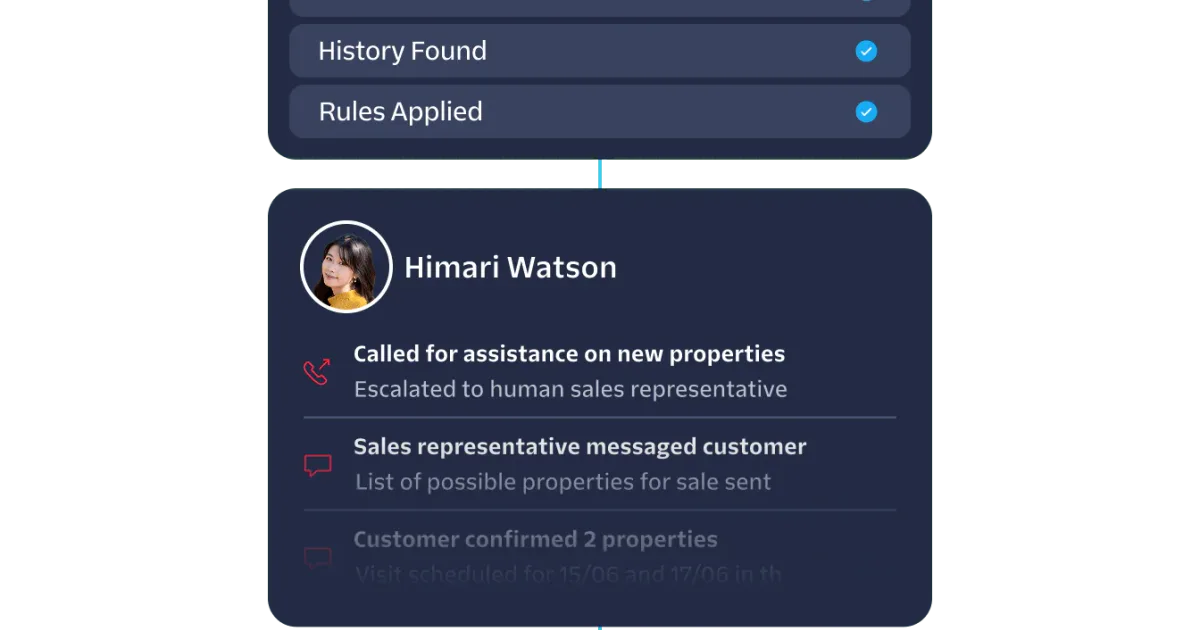
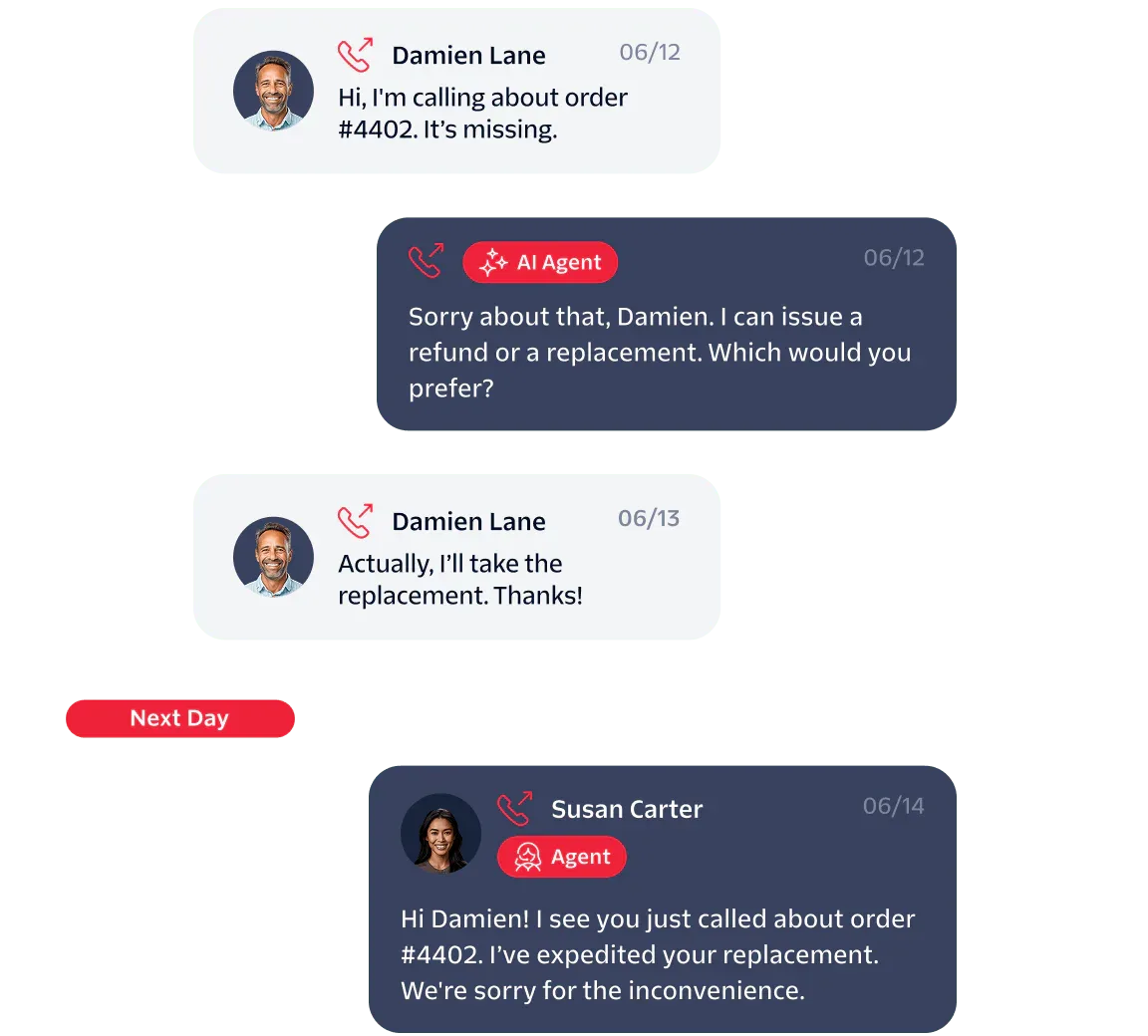
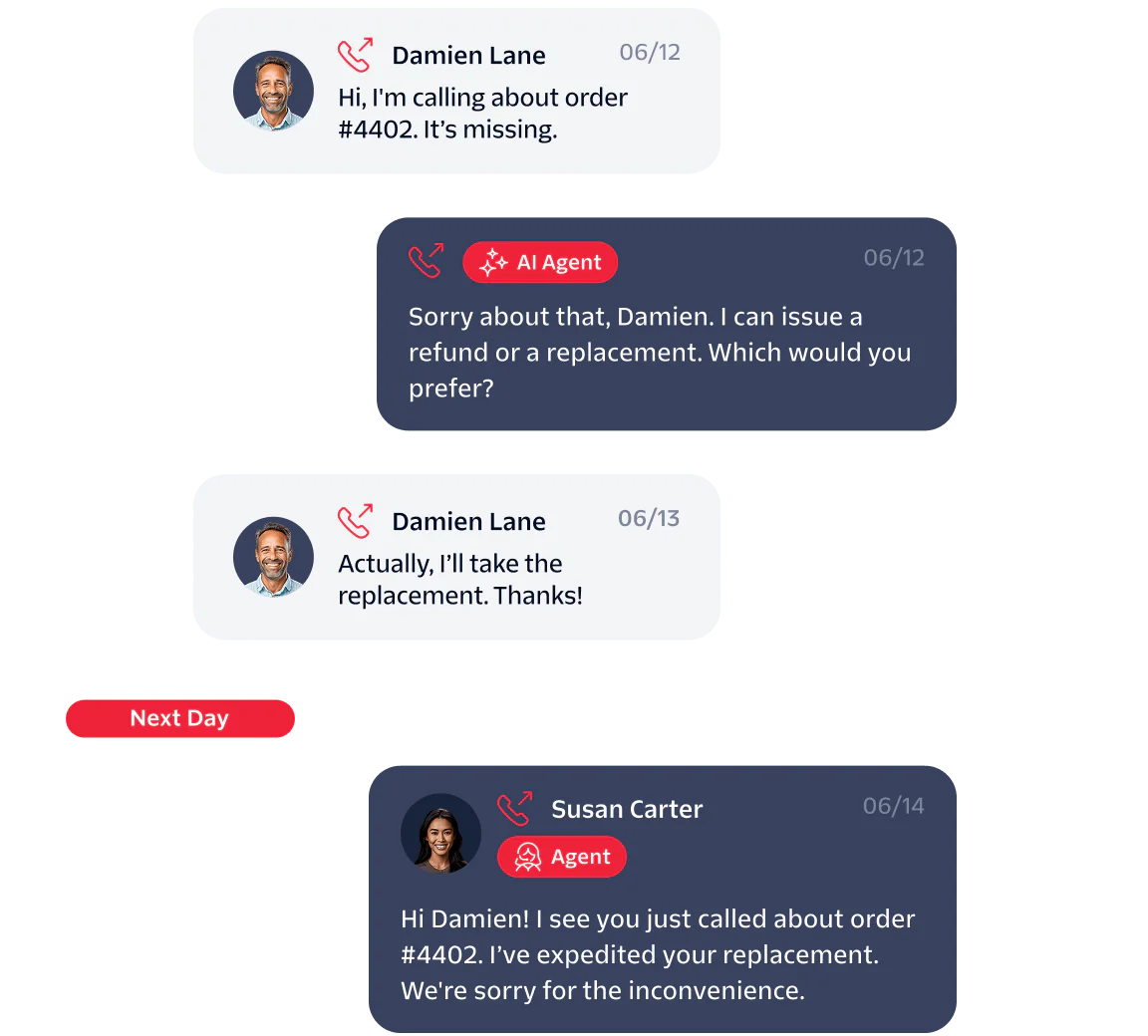
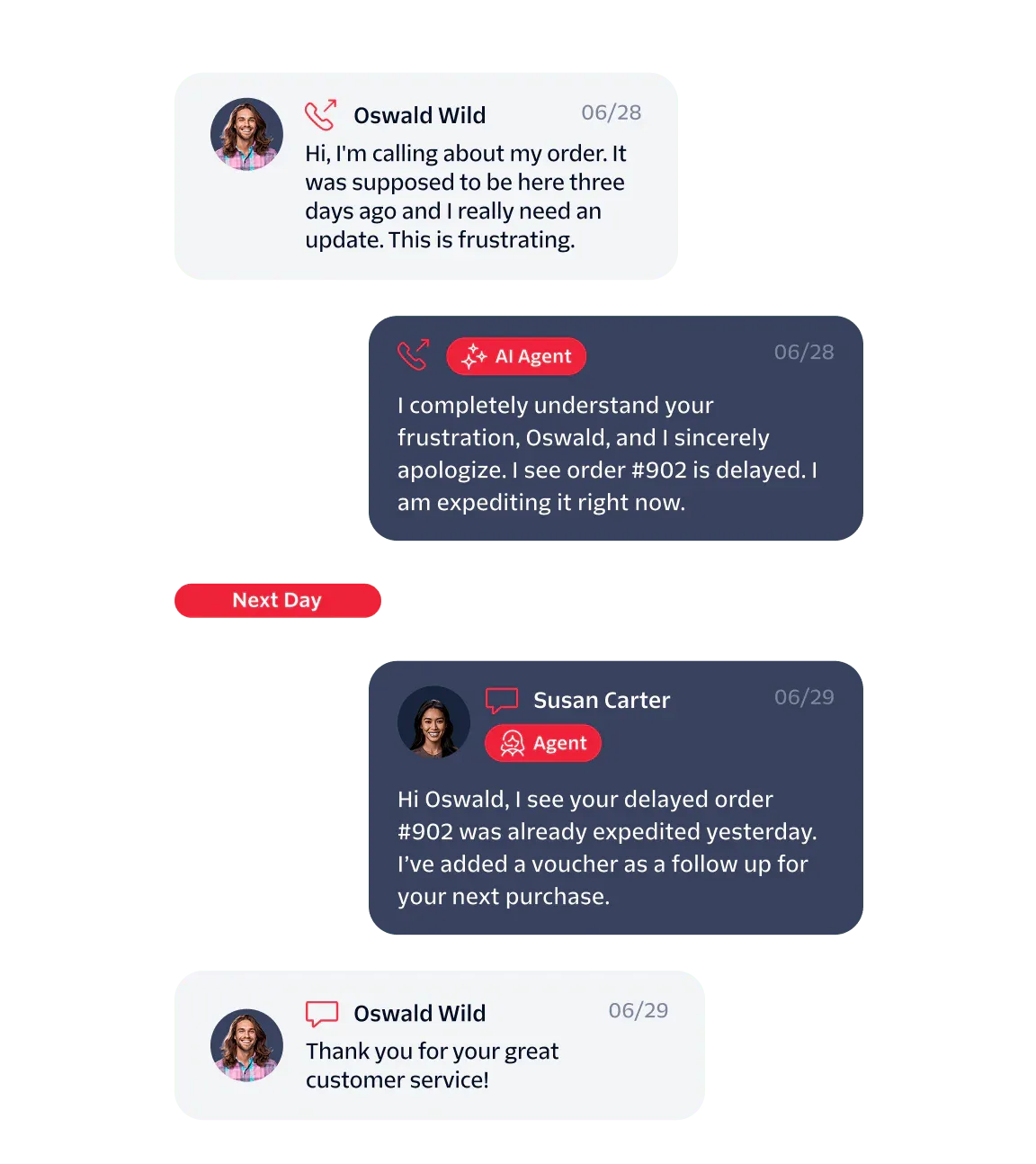
The core problem it solves: customers interact with businesses across five or six channels, and every channel switch traditionally means starting over. A customer texts your support line, gets escalated to a phone call, then follows up via WhatsApp. Without orchestration, each touchpoint is a separate conversation. The customer repeats their issue three times. Your agents waste time catching up.
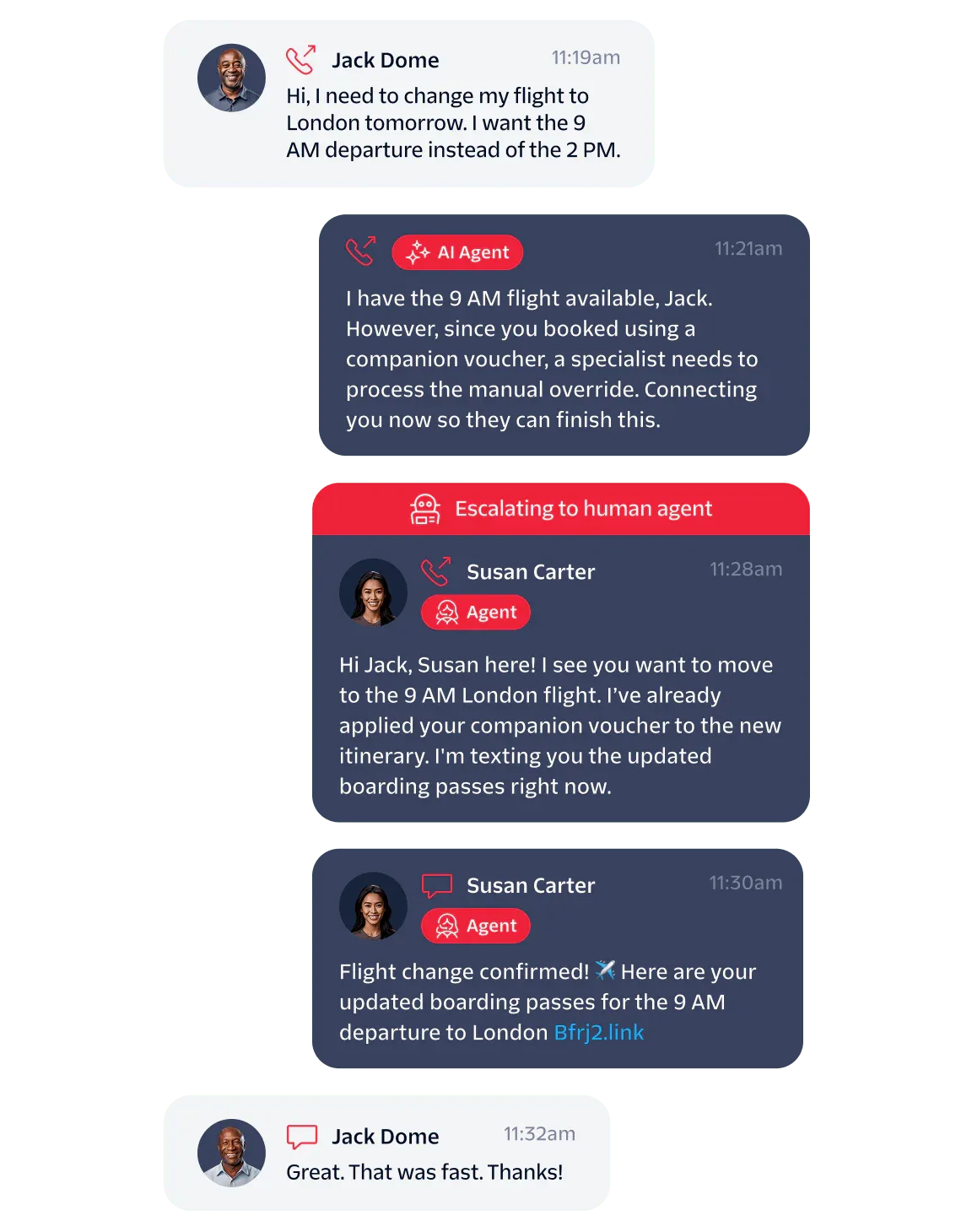
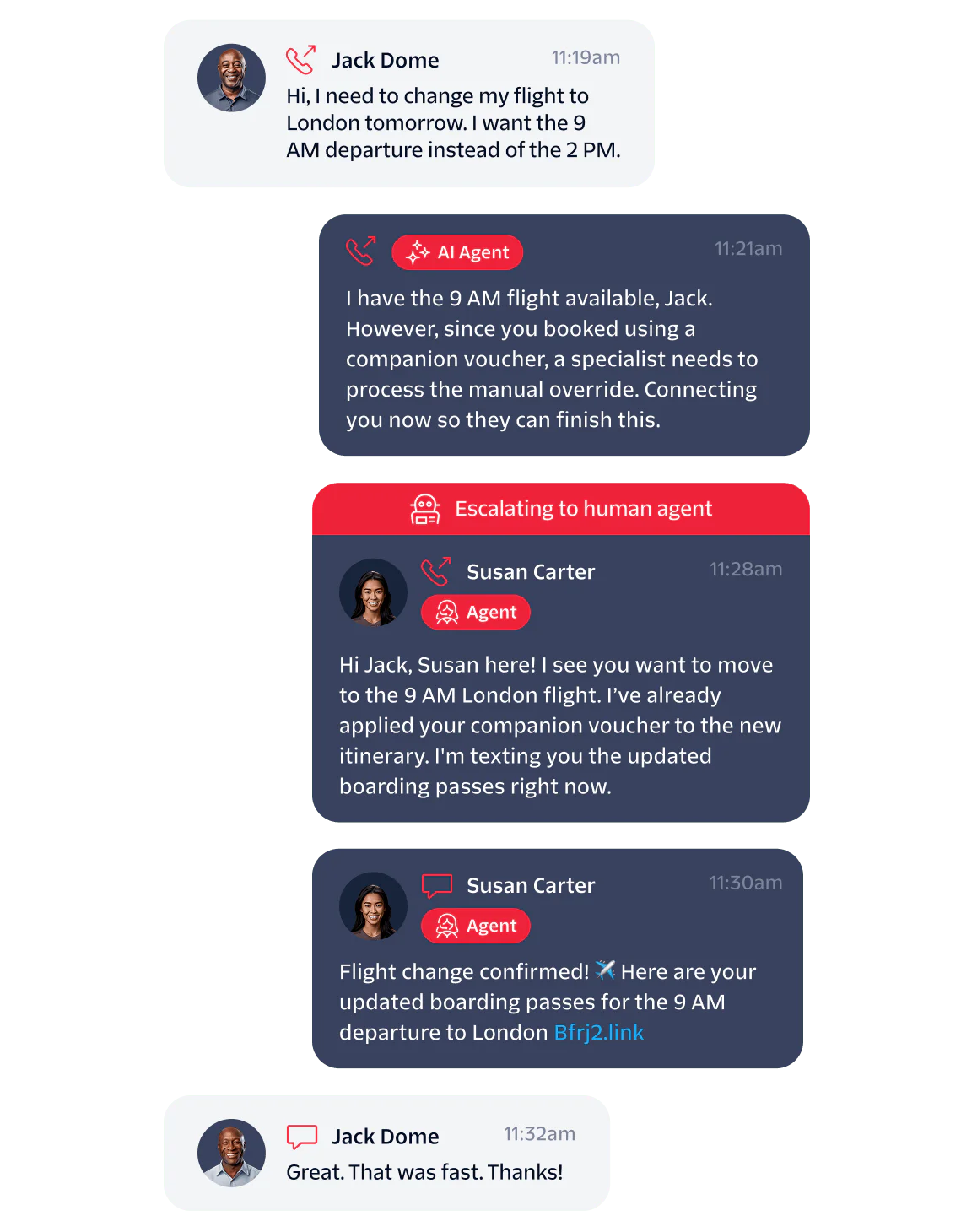
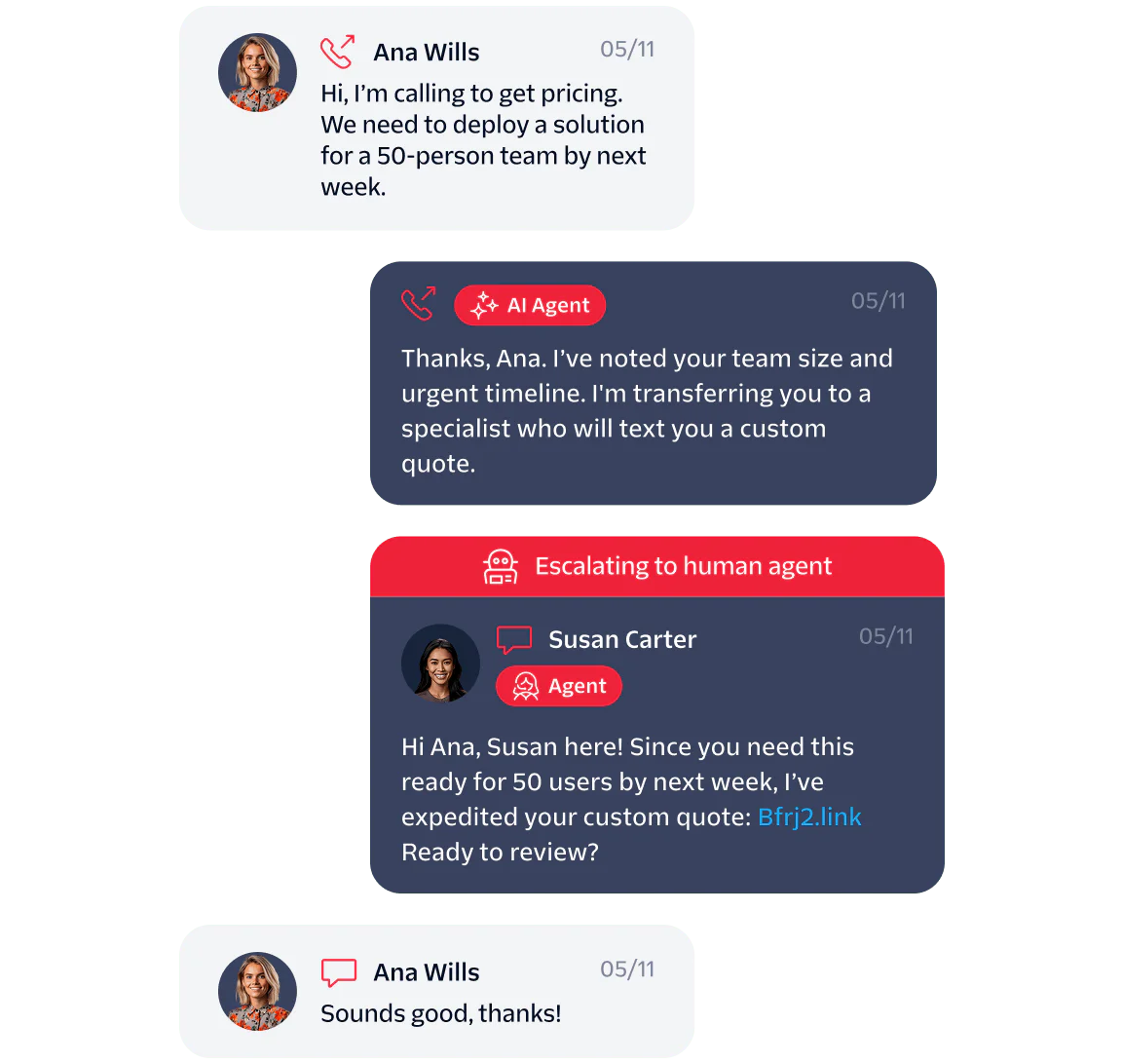
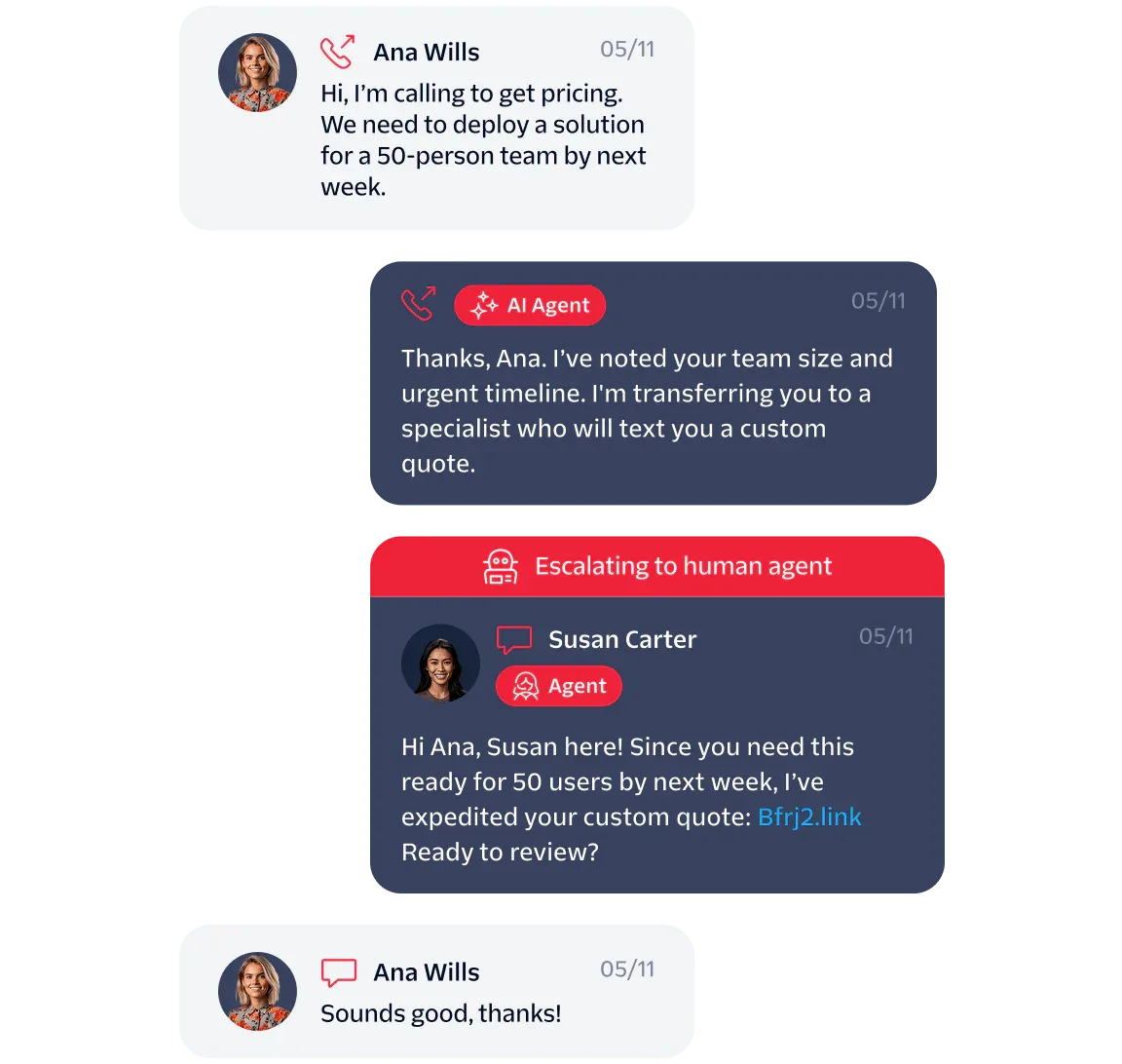
Conversation Orchestrator merges all those interactions into a single continuous thread. AI agents, automated workflows, and human teams all read from the same context. When an AI bot can't resolve something, it hands off to a human agent who sees everything the bot already discussed.
This isn't a chatbot builder or a standalone contact center. It's infrastructure - specifically designed for organizations already running Twilio Voice, Messaging, or Flex. If you're not on Twilio, this product isn't for you. If you are, it's the connective tissue your multi-channel operations have been missing.
Tested May 2026 through documentation review, architecture evaluation, and hands-on exploration of Twilio's conversational AI sandbox.
Key Features of Twilio Conversation Orchestrator
Every feature here serves one goal: keeping conversation context intact across channels and handoffs.
Unified Conversation Threading. This is the headline capability. Voice calls, SMS exchanges, WhatsApp messages, RCS chats, and web conversations all merge into one thread. In our testing, switching from SMS to Voice maintained full context. The system doesn't just log interactions side by side - it creates a single narrative.
AI-to-Human Handoffs. When an AI agent hits its limits, the handoff to a human is seamless. The human agent receives the complete conversation history, AI decisions made, and customer sentiment signals. No "can you tell me your issue again?" We tested escalation scenarios and the context transfer was immediate.
Coordinated Routing. The orchestrator decides where conversations go based on intent, sentiment, agent availability, and business rules you define. It's not random round-robin. You set routing logic that considers the full conversation context, not just the latest message.
Character-Based Ingestion. The system processes conversations by ingesting characters, which feeds its context engine. This is also how pricing works - more conversation volume means higher costs, but you're paying for actual usage rather than idle seats.
Multi-Team Support. Sales, support, and CX teams can all operate within the same orchestration layer. A lead generation conversation that starts with a sales bot can route to a human sales rep, then later to a support agent - all within one thread.
Native Twilio Integration. This works with Twilio Flex, Twilio Voice, Twilio Messaging, and the broader Twilio Conversational AI platform. No middleware needed. If you're running Twilio infrastructure, Orchestrator plugs in natively.
Pricing and Plans for Twilio Conversation Orchestrator
Conversation Orchestrator uses usage-based pricing charged per character ingested from conversations (as of May 2026). Twilio doesn't publish a flat rate card on their website - exact per-character costs depend on your volume and contract.
| Pricing Factor | Details |
|---|---|
| Model | Pay-per-use (character ingestion) |
| Per-seat fee | None |
| Minimum commitment | Contact Twilio sales |
| Free tier | Not available |
| Free trial | Available through Twilio's conversational AI sandbox |
This pricing structure rewards efficiency. Short, direct bot interactions cost less than rambling ones. But it also makes budgeting harder. You need historical conversation data to estimate monthly costs accurately.
For comparison, Salesforce Einstein bundles AI features into its per-user licensing. Twilio's usage model can be cheaper at scale but less predictable for finance teams used to flat monthly bills.
Contact Twilio's sales team for a custom quote based on your expected volume.
Who Should (and Shouldn't) Use Twilio Conversation Orchestrator
Use it if:
- You already run Twilio Voice, Messaging, or Flex. Orchestrator is built for Twilio's ecosystem. If you're already there, adding it is a natural extension.
- Your customers reach you across 3+ channels and you're losing context between them. That's the exact problem this solves.
- You're deploying AI agents for frontline interactions and need reliable human escalation. The handoff quality is genuinely strong.
- Your support or sales operation handles 10,000+ conversations per month. Usage-based pricing makes more sense at scale.
Skip it if:
- You're not on Twilio. This is not a standalone product. Building on Twilio just to use Orchestrator makes no sense when alternatives exist.
- You need a simple chatbot. If you just want a bot on your website, this is massive overkill. Look at dedicated chatbot platforms first.
- Your team operates on a single channel. If all your conversations happen via email or phone only, orchestration across channels provides zero value.
- Your budget requires predictable monthly costs. Usage-based character pricing is hard to forecast without historical data.
How Does Twilio Conversation Orchestrator Compare to Salesforce Agentforce?
For businesses evaluating enterprise-grade AI orchestration, the main alternative is Salesforce's Agentforce ecosystem.
| Feature | Twilio Conversation Orchestrator | Salesforce Agentforce |
|---|---|---|
| Channel coverage | Voice, SMS, RCS, WhatsApp, web chat | Primarily Salesforce channels + integrations |
| Pricing model | Per character ingested | Per conversation or per user (varies by product) |
| AI handoff quality | Excellent - full context transfer | Good - depends on Data Cloud integration |
| Ecosystem lock-in | Requires Twilio stack | Requires Salesforce stack |
| Best for | Communications-first teams | CRM-first teams |
| Setup complexity | Moderate (API-driven) | Moderate (declarative + code) |
Twilio wins on channel breadth and communication flexibility. If your business is fundamentally about messaging and voice - think customer support centers, delivery services, or healthcare communications - Twilio's native channel support is unmatched.
Salesforce wins if your workflow centers on CRM data. If every conversation needs to reference deal stages, account history, and pipeline data, Salesforce keeps everything closer together.
The honest answer: choose based on your existing stack. Migrating to either ecosystem just for the orchestration layer isn't worth the cost.
For teams exploring other AI agents for business operations, the market now has several strong options depending on your primary use case.
Our Testing Process
We evaluated Twilio Conversation Orchestrator through Twilio's conversational AI sandbox environment, reviewing documentation, API references, and architecture diagrams. We tested cross-channel context persistence by initiating conversations via SMS, escalating to simulated Voice, and verifying context transfer.
We also compared the handoff workflow against three other orchestration tools we've reviewed in the past 90 days. Twilio's handoff was the cleanest - context arrived instantly with no manual summary needed.
We haven't tested enterprise-tier deployments at production scale (50,000+ monthly conversations). Our evaluation reflects the documented capabilities and sandbox behavior as of May 2026.
Editorially reviewed by Todd Stearn. Read about our methodology.
The Bottom Line on Twilio Conversation Orchestrator
Twilio Conversation Orchestrator earns an 8/10 for doing one thing exceptionally well: keeping conversation context alive across every channel. If you're running Twilio infrastructure and your customers reach you through multiple channels, this removes the biggest pain point in multi-channel support - repetition.
The ecosystem lock-in and unpredictable pricing keep it from a higher score. But for Twilio shops handling serious conversation volume, Orchestrator is the missing layer between your bots, your agents, and your customers.
Try Twilio Conversation Orchestrator →
Frequently Asked Questions
What is Twilio Conversation Orchestrator?
Twilio Conversation Orchestrator is a workflow engine that connects Voice, SMS, RCS, WhatsApp, and chat interactions into a single continuous conversation. It provides shared context across AI agents, automated workflows, and human teams so customers never repeat themselves when switching channels.
How much does Twilio Conversation Orchestrator cost?
Twilio Conversation Orchestrator uses character-based pricing. You pay based on the number of characters ingested from conversations, not per seat or per message. Exact rates depend on volume and your Twilio contract. Contact Twilio sales for a custom quote (as of May 2026).
Does Conversation Orchestrator replace Twilio Flex?
No. Conversation Orchestrator complements Twilio Flex, not replaces it. Flex handles the contact center agent desktop. Orchestrator sits underneath, managing cross-channel routing, AI-to-human handoffs, and conversation context. They work best together but serve different functions.
Can Twilio Conversation Orchestrator handle AI-to-human handoffs?
Yes. AI-to-human handoff is a core feature. The system detects when an AI agent can't resolve an issue and routes the conversation to a human agent with full context intact. The human sees the entire interaction history, reducing resolution time and eliminating repeated explanations.
What channels does Conversation Orchestrator support?
Conversation Orchestrator supports Voice, SMS, RCS, WhatsApp, web chat, and other messaging channels. All interactions merge into one continuous conversation thread. A customer can start on WhatsApp, switch to a phone call, then follow up via SMS without losing any context.
Get weekly AI agent reviews in your inbox. Subscribe →
Related AI Agents
- Salesforce Einstein - AI-powered CRM assistant for sales teams with built-in predictive scoring
- Sendbird Agent Steward - Conversational AI for in-app messaging and chat experiences
- Kore.ai Artemis - Enterprise agent platform for building and deploying conversational AI
- Best AI Agents - Our ranked list of the top AI agents across all categories
Affiliate Disclosure
Agent Finder participates in affiliate programs with AI tool providers including Impact.com and CJ Affiliate. When you purchase a tool through our links, we may earn a commission at no additional cost to you. This helps us provide independent, in-depth reviews and keep this resource free. Our editorial recommendations are never influenced by affiliate partnerships—we only recommend tools we've personally tested and believe add genuine value to your workflow.
Try Twilio Conversation Orchestrator today
Get started with Twilio Conversation Orchestrator — free tier available on most plans.
Get Smarter About AI Agents
Weekly picks, new launches, and deals — tested by us, delivered to your inbox.
Join 1 readers. No spam. Unsubscribe anytime.
More Customer Support Tools
Freshdesk Freddy AI Review: Tier-1 Support Automation at Scale
Freshdesk Freddy AI automates tier-1 support with 40% ticket deflection rates. Pricing starts at $29/agent/month. Read our full review and testing results.
Intercom Fin Review: AI Agent That Resolves Support Tickets Autonomously
Intercom Fin resolves 50% of support tickets autonomously with AI. We tested it for 30 days. Read our full review of pricing, features, and limits.
Tidio Review: AI Chatbot + Live Chat for SMBs
Tidio combines AI chatbots with live chat starting at $29/month. We tested it for 3 weeks. See if it's the right customer support tool for your business.
Zendesk AI Review: Intelligent Triage and Auto-Resolution for Support Teams
Zendesk AI automates ticket routing and resolves common support issues at scale. We tested it for 4 weeks. Read our full review to see if it's worth it.
Related Articles
ElevenLabs Voice Agents Review 2026: Best AI Voice Platform?
ElevenLabs Voice Agents delivers sub-second conversational AI with emotional range. We tested it for 3 weeks. Full review, pricing, and verdict inside.
Kore.ai Artemis Review: Enterprise AI Agent Platform
Kore.ai Artemis lets enterprises build and govern AI agents in days, not months. We tested the dual-brain architecture. Full review inside.
HubSpot Breeze Customer Agent Review 2026: CRM-Powered Support
HubSpot Breeze Customer Agent review: AI support across 9 channels with full CRM context. We tested it for 3 weeks. See pricing, pros, cons, and our verdict.