
Squibler Review 2026: AI Writing for Fiction Authors
Squibler review: AI fiction writing platform with Smart Writer, corkboard planning, and book printing. We tested it for 3 weeks. $16/mo. Read our verdict.


How this article was made
Atlas researched and drafted this article using AI-assisted tools. Todd Stearn reviewed, tested, and edited for accuracy. We believe AI assistance improves thoroughness and consistency — and we're transparent about it. Learn more about our methodology.
Try Squibler today
Get started with Squibler — free tier available on most plans.
Squibler is the best AI writing platform for fiction authors who need project management alongside AI generation. It tracks characters, settings, and plot threads while generating scenes that stay on-story. Pricing starts at $16/month (as of May 2026). Best for novelists and screenwriters who want organizational structure, not just an AI text generator.
Quick Assessment
| Rating | 7/10 |
| Price | Free tier / $16/mo Creator / $26/mo Unlimited (annual billing, May 2026) |
| Best for | Fiction authors and screenwriters who need story management + AI drafting |
Pros:
- Elements system tracks characters, settings, and plot threads across your entire manuscript
- Visual corkboard makes chapter-level plotting intuitive
- Genre-specific templates accelerate first drafts for 20+ fiction categories
Cons:
- AI prose quality requires heavy editing for voice consistency
- Collaboration features feel bolted on, not native to the workflow
Try Squibler Free →

If you've been exploring AI writing tools, you've probably noticed most of them target marketers and bloggers. Squibler takes a different path. It's built for people writing novels, short stories, and screenplays - the kind of projects where you need to remember that your protagonist has green eyes on page 12 and page 312. If you're comparing creative AI options, our Sudowrite review covers the closest competitor worth considering alongside Squibler.
We spent three weeks testing Squibler across a 45,000-word fantasy novel draft, a 10-page short story, and a feature-length screenplay. Tested February through March 2026 on the Creator plan. Here's what we found.
What Is Squibler?
Squibler is an AI-powered writing platform designed for fiction authors and screenwriters. It combines a manuscript editor, story planning tools, and AI text generation into a single workspace. The core idea: give fiction writers the same productivity boost that marketers get from tools like Writesonic or Copy.ai, but tailored for narrative work.
Founded in 2019, Squibler started as a writing prompt and goal-tracking tool before pivoting hard into AI generation. The current version centers on Smart Writer AI, which generates scenes, dialogue, and descriptions based on your story's existing characters and settings. It's not trying to be a general-purpose AI writer. Every feature assumes you're building a narrative with characters, arcs, and continuity.
The platform runs entirely in the browser. No downloads, no desktop app. Your manuscripts sync across devices, and there's a basic collaboration mode for co-authors or writing groups.
How Does Squibler's Smart Writer AI Actually Perform?
Smart Writer produces usable first-draft prose about 40% of the time without major editing. The other 60% needs significant rewriting. In our testing with a fantasy novel, the AI handled action sequences and dialogue tags competently but struggled with interiority, subtext, and maintaining a distinctive narrative voice across chapters.
The standout feature is context awareness. When you've populated your Elements (characters, settings, items, lore), Smart Writer references them correctly. We created a character named Voss with a cybernetic arm and a fear of water. Across 12 AI-generated scenes, Smart Writer mentioned the arm in 9 and referenced the water phobia in 3 relevant situations. That consistency is rare among AI writing tools.
Where it falls short: prose rhythm. AI-generated paragraphs tend toward the same sentence length and structure. After three chapters of AI drafting, the text reads like competent fan fiction rather than polished prose. You'll spend time varying sentence structure and adding the stylistic fingerprints that make your voice yours.
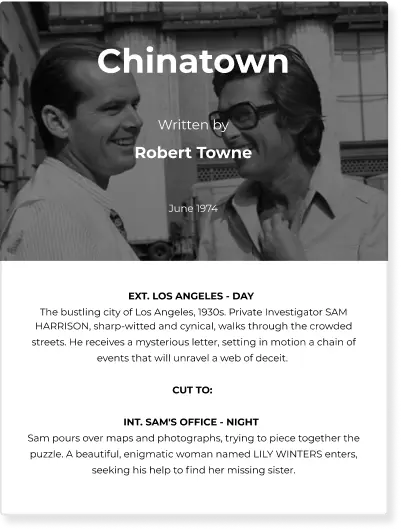
The screenplay mode performed better than the novel mode in our testing. Dialogue generation was sharper, and the formatting came out clean. Action lines were occasionally overwritten but never incorrectly formatted.
What Are Squibler's Key Features?
Squibler packs more fiction-specific features than any other AI writing platform we've tested. Here's what matters:
Elements System. This is Squibler's killer feature. You create entries for characters, locations, items, and world-building details. Each element has structured fields (physical description, personality traits, relationships, backstory). Smart Writer pulls from these when generating scenes. In practice, this means the AI knows your protagonist's best friend's name without you re-explaining it every chapter.
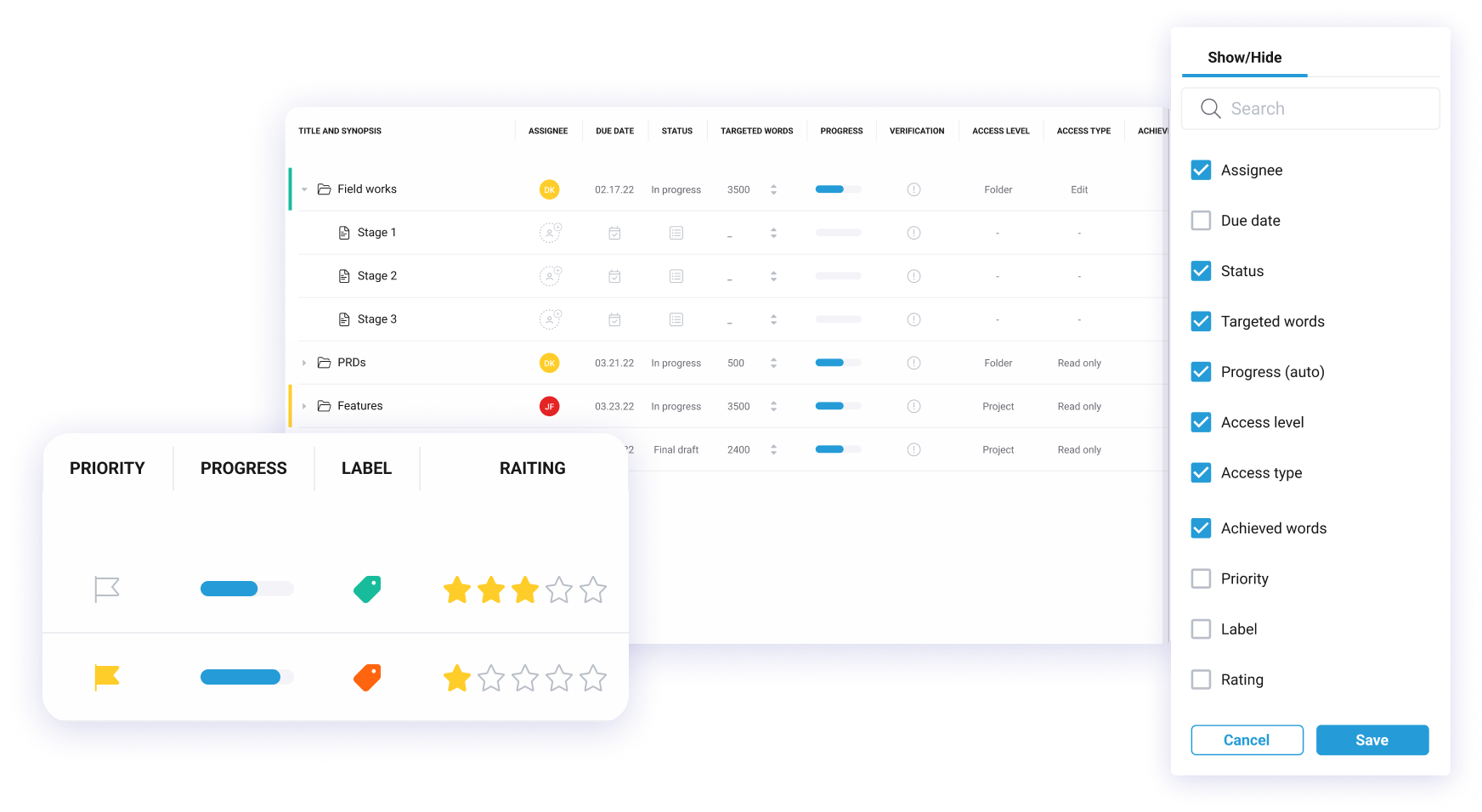
Visual Corkboard. A drag-and-drop board for organizing chapters and scenes. Each card shows a summary, word count, and status. If you're a plotter, this is where you'll live. It mirrors the index card approach many novelists use physically, digitized with AI summaries auto-generated from your drafts.
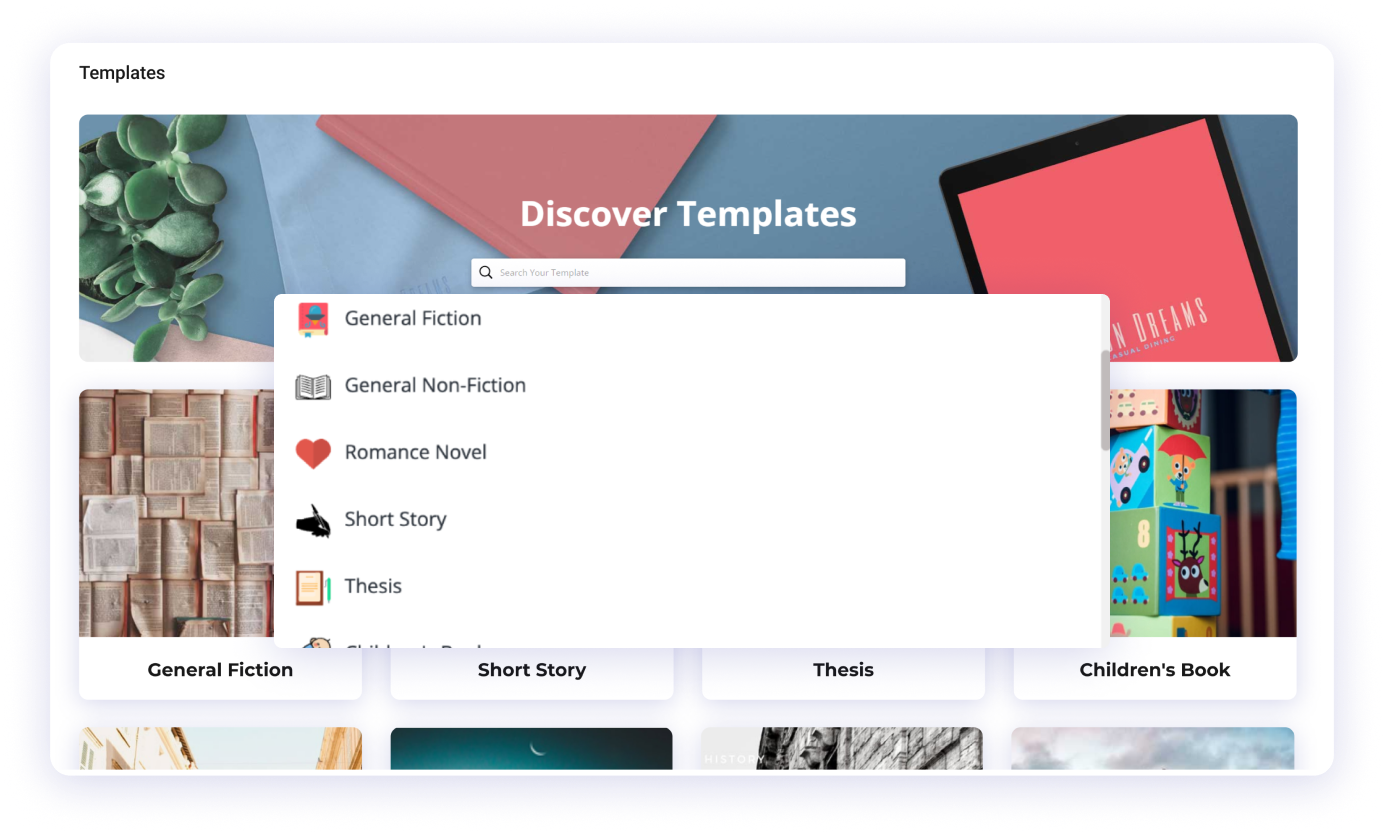
Genre Templates. Over 20 genre-specific starting templates for romance, thriller, sci-fi, fantasy, horror, mystery, and more. Each template pre-populates a story structure outline, sample Elements, and AI prompts tuned to genre conventions. The romance template, for example, includes beat sheets for meet-cute, midpoint conflict, and resolution. These saved us roughly 2 hours of setup time per project.
AI-Generated Visuals. Squibler can generate character portraits and scene illustrations from your Element descriptions. The quality is DALL-E-level - useful for mood boards and character reference sheets, not for book covers. It's a nice touch for visual thinkers who want to "see" their characters.
Physical Book Printing. Through a partnership with a print-on-demand service, Squibler offers direct book printing from the platform. You design a cover (or use their AI cover generator), format your manuscript, and order physical copies. We ordered a proof copy: print quality was acceptable for author copies, comparable to KDP proof prints.
Collaboration Mode. You can invite co-authors or beta readers to your project. They can comment, suggest edits, and view your Elements. The implementation is basic - no simultaneous editing, no version control beyond manual saves. It works for sharing drafts but doesn't replace Google Docs for real-time collaboration.
How Much Does Squibler Cost in 2026?
Squibler's pricing is straightforward but the value calculation depends on how much AI generation you actually use. All prices verified on Squibler's pricing page as of May 2026.
| Plan | Monthly Billing | Annual Billing | AI Words/Month | Key Features |
|---|---|---|---|---|
| Free | $0 | $0 | ~6,000 | Basic editor, limited Elements, 1 project |
| Creator | $24/mo | $16/mo | 50,000 | Full Elements, corkboard, templates, 10 projects |
| Unlimited | $36/mo | $26/mo | Unlimited | Everything in Creator + AI visuals, collaboration, printing, unlimited projects |
The free tier is genuinely useful for testing. You can write a full short story with AI assistance before hitting the generation cap. But the 1-project limit means you'll upgrade fast if you're working on multiple pieces.
The Creator plan at $16/month (annual) hits the sweet spot for most fiction writers. 50,000 AI words per month covers heavy drafting for one novel project. For context, we used about 35,000 AI words during a productive month of novel drafting on the Creator plan.
The Unlimited plan makes sense for full-time authors juggling multiple projects or screenwriters generating dialogue-heavy scripts. The AI visual generation alone isn't worth the upgrade, but unlimited projects plus unlimited generation is compelling at $26/month.
Compared to Sudowrite at $19/month for its Hobby plan, Squibler's Creator plan is $3/month cheaper and includes organizational features Sudowrite lacks entirely. If you write marketing copy alongside fiction, tools like Rytr or Anyword offer different value - but they're not designed for manuscript-length projects.
Who Should (and Shouldn't) Use Squibler?
Squibler is ideal for: Novelists who outline before writing, screenwriters working on spec scripts, writing groups collaborating on shared-world projects, and NaNoWriMo participants who want velocity over polish. If you think in terms of plot structure and character arcs before you start drafting, Squibler's organizational tools will feel natural.
Squibler is wrong for: Literary fiction writers who prioritize prose style over productivity. The AI generation leans toward genre fiction conventions, and if your writing is voice-driven or experimental, Smart Writer will slow you down more than help. Poets and short-form writers won't use 90% of the features. And if you need a polished collaboration platform, you're better off writing in Google Docs and using a dedicated AI tool for generation.
The honest middle ground: Squibler is a productivity multiplier for plotters and a mediocre tool for pantsers. If you don't plan your stories, the Elements system and corkboard are overhead you won't use, and the AI generation without context produces generic text. The platform rewards authors who invest time in setup.
How Does Squibler Compare to Sudowrite?
This is the comparison most fiction writers need. Squibler and Sudowrite are the two serious AI fiction platforms, and they take fundamentally different approaches.
Project management: Squibler wins decisively. The corkboard, Elements system, and multi-project organization have no equivalent in Sudowrite. If you're writing a series with recurring characters across multiple books, Squibler tracks that continuity. Sudowrite treats each document as mostly standalone.
Prose quality: Sudowrite wins. Its Describe and Rewrite features produce more varied, stylistically interesting prose. Sudowrite's AI output reads closer to polished fiction; Squibler's reads closer to a competent first draft. For sentence-level craft, Sudowrite is the better tool.
Screenplay support: Squibler wins. Sudowrite has no dedicated screenplay mode. Squibler's screenplay formatting is legitimate and exports cleanly.
Pricing: Squibler is cheaper. $16/month (Creator, annual) vs Sudowrite's $19/month (Hobby). Both offer free tiers, but Squibler's free tier is more functional for evaluating the platform.
Our recommendation: If you're a plotter writing genre fiction, pick Squibler. If you're a pantser writing literary or voice-driven fiction, pick Sudowrite. If you write screenplays, Squibler is the only real option between the two.
Our Testing Process
We tested Squibler's Creator plan ($16/month) for three weeks in February-March 2026. Our test projects included a 45,000-word fantasy novel draft (started from a genre template), a 10-page literary short story (written from scratch to test AI quality outside genre fiction), and a 95-page feature screenplay (crime thriller).
For the novel, we used Elements extensively - 14 characters, 8 locations, and 22 lore entries. We generated approximately 35,000 AI words and rewrote about 60-70% of them. For the screenplay, we used the dedicated screenplay mode and generated roughly 40 pages of dialogue-heavy scenes.
We also tested the print-on-demand service by ordering a proof copy of a 200-page manuscript. Delivery took 8 business days. Print quality was serviceable but not premium.
We haven't tested the enterprise or team features. Our evaluation focused on the solo author workflow.
The Bottom Line
Squibler is the best AI writing platform for fiction authors who plan their stories. The Elements system and visual corkboard solve real organizational problems that no competitor addresses as well. AI prose quality is adequate for first drafts but requires significant editing. At $16/month, it's cheaper than Sudowrite and offers more features for plotters. If you write genre fiction, screenplays, or series with recurring characters, Squibler earns a spot in your workflow. If you care most about prose-level AI quality, look at Sudowrite instead. Rating: 7/10.
Try Squibler Free →
Frequently Asked Questions
Is Squibler good for writing novels?
Squibler is built specifically for long-form fiction. Its Elements system tracks characters, settings, and plot threads across chapters. Smart Writer AI generates scenes that stay consistent with your story bible. It handles novel-length projects better than general-purpose AI writers, though you still need to heavily edit AI output for voice consistency.
How much does Squibler cost per month?
Squibler offers three plans as of May 2026: a free tier with limited AI generation, a Creator plan at $16/month billed annually ($24/month if billed monthly), and an Unlimited plan at $26/month annually. The free tier lets you test core features but caps AI word generation at around 6,000 words per month.
Can Squibler write an entire book for you?
Squibler can generate full drafts, but calling them publication-ready would be generous. In our testing, AI-generated chapters needed 60-70% rewriting to match a consistent voice and avoid repetitive phrasing. Squibler works best as a drafting accelerator and brainstorming partner, not a ghostwriter replacement.
How does Squibler compare to Sudowrite?
Squibler focuses on project management and full-manuscript workflow with its corkboard and Elements system. Sudowrite excels at prose-level quality with features like Describe and Rewrite. Squibler is better for plotters who want organizational tools. Sudowrite is better for pantsers who want sentence-level AI polish. Squibler is cheaper at $16/month vs Sudowrite's $19/month.
Does Squibler support screenwriting format?
Yes. Squibler includes a dedicated screenplay mode with industry-standard formatting for scene headings, action lines, dialogue, and parentheticals. It auto-formats as you type and offers screenplay-specific AI generation. The formatting exported cleanly to Final Draft in our testing, though some writers may still prefer dedicated screenwriting software.
Tested February-March 2026 on the Creator plan. Editorially reviewed by Todd Stearn. Read about how we test and review AI agents.
Get weekly AI agent reviews in your inbox. Subscribe →
Related AI Agents
- Sudowrite - AI fiction writing tool focused on prose quality with Describe, Rewrite, and brainstorming features
- Writesonic - AI writing platform for marketing and blog content with SEO optimization tools
- Rytr - Budget AI writing assistant for short-form content across 40+ use cases
- Grammarly - AI writing assistant for grammar, tone, and clarity across all writing types
- ParagraphAI - AI writing tool for emails, messages, and short-form professional content
Affiliate Disclosure
Agent Finder participates in affiliate programs with AI tool providers including Impact.com and CJ Affiliate. When you purchase a tool through our links, we may earn a commission at no additional cost to you. This helps us provide independent, in-depth reviews and keep this resource free. Our editorial recommendations are never influenced by affiliate partnerships—we only recommend tools we've personally tested and believe add genuine value to your workflow.
Try Squibler today
Get started with Squibler — free tier available on most plans.
Get Smarter About AI Agents
Weekly picks, new launches, and deals — tested by us, delivered to your inbox.
Join 1 readers. No spam. Unsubscribe anytime.
Related Articles
Canva AI Review 2026: Design Assistant for Everyone
Canva AI review: we tested Magic Design, Magic Write, and AI image generation. Free tier included, Pro at $15/mo. See who should use it and who shouldn't.
Seedance Review 2026: Multi-Model AI Video Generator
Seedance bundles Sora 2, Veo 3, and its own model into one 1080p video platform. We tested it for two weeks. Read our honest Seedance review.
Luma Agents Review 2026: Multimodal Creative on Autopilot
Luma Agents coordinate text, image, video, and audio workflows autonomously. We tested them for 3 weeks. Read our full Luma Agents review for pricing and verdict.